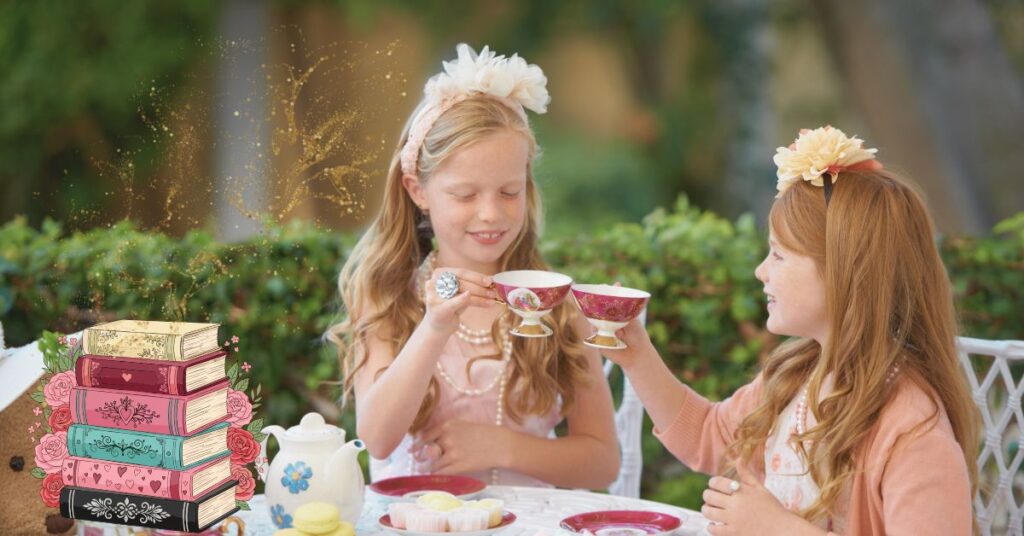


If you’ve spent any time in the world of homeschool inspiration, you’ve probably come across the phrase “poetry tea time.” This simple, delightful practice has quietly captured the hearts of homeschool families everywhere. And for good reason. Part ritual, part reading routine, poetry tea time invites you to slow down, savor literature, and make poetry feel approachable for kids of all ages.
In this post, we’ll explore what poetry tea time is, who coined the term, how it became popular, and why you may want to bring this tradition into your own homeschool.
Table of Contents
ToggleWhat is Poetry Tea Time
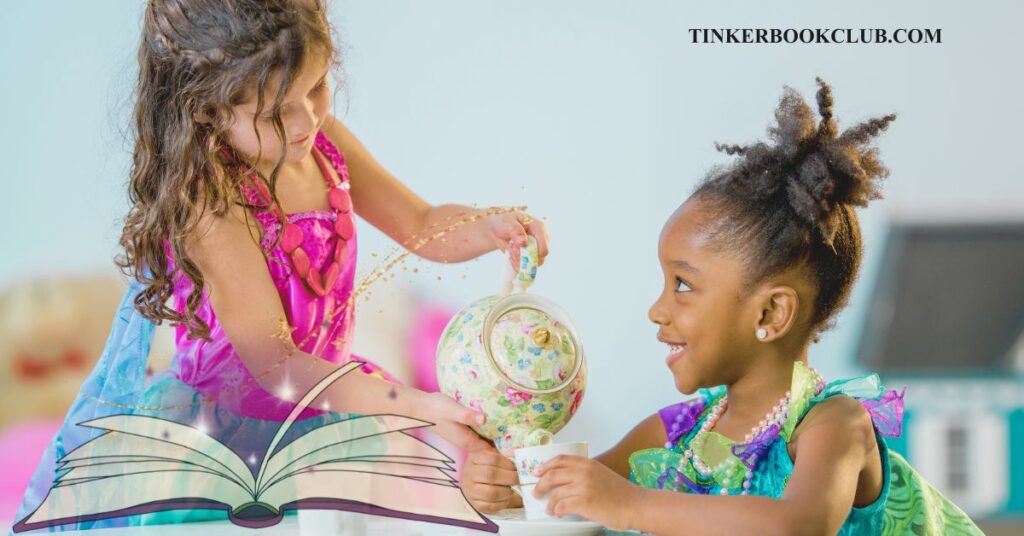
At its core, poetry tea time is exactly what it sounds like: a time set aside to enjoy poetry together over tea (cocoa, lemonade, or whatever fits your family). It’s intentionally simple. A cozy table, a pot of something warm to sip, maybe a sweet treat, and a stack of poetry books.
There’s no pressure to analyze or dissect poems. Instead, this ritual invites children to experience poetry through beautiful language, rhythm, and shared enjoyment. When you approach poetry this way, it becomes less intimidating and more like something to savor.
Many families use poetry tea time as:
- A weekly reading routine
- A gentle introduction to poetry for younger children
- A way to make poetry accessible for reluctant readers
- A moment of connection in an otherwise busy homeschool day
Who Coined the Term "Poetry Teatime"?
The phrase “Poetry Teatime” was coined by Julie Bogart, founder of Brave Writer. Her vision was to bring joy back into language arts by creating inviting, low-pressure opportunities for children to engage with words. Poetry Teatime quickly became one of Brave Writer’s most beloved practices, inspiring thousands of families to incorporate poetry into their homeschool rhythm.
Bogart emphasized that learning happens best in an atmosphere of peace, curiosity, and delight. All the things poetry tea time naturally cultivates.
Parents sometimes worry that if they’re not actively teaching, they’re missing learning opportunities. But the opposite is often true.
How Poetry Tea Time Became Popular
Although reading aloud over tea has echoes of Charlotte Mason-inspired homeschooling, the modern version of Poetry Teatime spread widely through Julie Bogart’s books, blog, and Brave Writer community.
As social media grew homeschoolers began sharing photos of beautifully set tables, mismatched mugs, and children reading poems to one another. The idea resonated because it was simple, doable, and joy-filled.
Before long, “poetry tea time” became a beloved homeschool tradition.
- Pinterest boards filled with table ideas
- Instagram reels showing toddlers reciting poems
- Facebook groups trading book recommendations
- Homeschool blogs sharing themed tea times
Its popularity grew because it met a real need. It was a way to enjoy language arts without worksheets, pressure or overwhelm.
Why You Should Try Poetry Tea Time in Your Homeschool
If you’re new to poetry tea time, here are a few reasons to give it a try:
1. It Makes Poetry Approachable
Poetry can feel intimidating. But sitting around a cozy table with hot chocolate in hand shifts the mood entirely. Kids relax. Words feel less formal. Poems become something you feel, not something you must decode.
Nothing kills enjoyment of poetry more than forcing a child to dissect and analyze it before they’ve even had a chance to get to know it.
2. It Builds a Gentle Learning Routine
Because it’s simple and atmosphere-driven, poetry tea time becomes a restful anchor in your homeschool. Even once a week can bring:
- A calming rhythm
- A natural opportunity to bring family members of all ages together
- Time to practice reading aloud
- Space for creativity and imagination
3. It Strengthens Connection
Reading poetry together creates shared memories. Everyone gets to take turns choosing poems, laughing over silly verses, or lingering over ones that feel particularly magical.
4. It Supports Language Arts Naturally
Wonder is the spark that invites a child to explore a topic further, ask questions, or look for similar stories. It’s also one of the most overlooked parts of literacy.
When a child feels delight, surprise, suspense, or emotional resonance, you’re nurturing:
- imagination
- empathy
- language development
- curiosity-driven learning
Trying to turn every moment into a lesson can actually smother that spark. But leaving space for wonder allows a child’s natural love of learning to grow. And that inner curiosity is far more powerful than any worksheet or analysis.
5. It's Easy to Start
You don’t need fancy teacups or perfectly baked scones. We’ve gotten by with cinnamon toast and fruit, and a single favorite poetry collection. Fifteen unrushed minutes are often more than enough.
How to Begin Your Own Poetry Tea Time
Here are a few gentle tips to get started:
- Choose a consistent day or time each week.
- Set out a small treat or warm drink.
- Gather a variety of poetry books: classic, silly, seasonal, or themed.
- Let your children choose poems to read.
- Keep it relaxed. No analysis, no pressure. Just enjoyment.
Over time, your poetry tea time will become a cherished homeschool ritual.
Final Thoughts: Let Poetry Breathe in Your Homeschool
If you’re craving more beauty, connection, and restful learning, poetry tea time is a gift you can give yourself and your children. It’s simple, gentle, and deeply nourishing. No elaborate prep required.
Whether you follow the original Brave Writer approach or create your own version, this small ritual has the power to add meaning and magic to your homeschool days.
If you’re interested in some fun printable poetry tea time resources that are perfect for a theme on love, kindness, and friendship (or for Valentine’s Day!), you can check out my Poetry Tea Time Pack on TPT.
If you enjoyed this post, you might also like 👉 A Gentle Approach to Homeschool Reading
Want to bring stories to life in your home or classroom? Join the Tinker Book Club mailing list for free guides, discussion ideas, and book club printables.

Thanks for listening, friends!