


By January, many homeschool families feel it.
The excitement of a fresh start has worn off. The days are short and cold. Everyone feels a little restless, a little cooped up. And the work that felt manageable in the fall now feels heavy.
Writing assignments are met with resistance. Worksheets spark groans. Even children who normally enjoy learning seem tired.
If this sounds familiar, here’s a reassuring truth:
Your child’s brain hasn’t stopped learning. It’s simply asking for a lighter way to process.
This is where oral and creative narration can quietly transform your winter homeschool days.
Table of Contents
ToggleWinter Homeschooling and Output
Winter is demanding on both bodies and brains. There’s less movement, less sunlight, and often less emotional bandwidth. For many children, this shows up as resistance to output-heavy work. Especially writing.
That resistance isn’t laziness. It’s output fatigue.
Writing requires:
- Fine motor control
- Sustained attention
- Planning and organization
- Emotional regulation
When energy is low, those demands can feel overwhelming even when comprehension is strong.
This is why narration works so beautifully during the winter months.
What Narration Really Is (and What It Isn't)
Narration is simply the act of telling back what was heard or read in your own words.
It is not:
- A quiz
- A worksheet
- A performance
- A test of memory
Narration is a conversation. it allows children to process ideas, make meaning, and practice language without the added weight of formal writing.
Oral narration, in particular, honors how children naturally learn. They learn through listening, storytelling, and relationship.
Why Oral Narration Leads to Deep Learning
When a child narrates orally, they must:
- Listen attentively
- Sequence events
- Recall key details
- Interpret meaning
- Put thoughts into words
- That’s complex cognitive work.
And because it feels lighter, children often engage more fully and confidently. They are free to think deeply without worrying about spelling, handwriting, or getting everything “just right.”
In many cases, oral narration leads to stronger comprehension than written work. Especially during seasons of fatigue.
Creative Narration: Variety That Refreshes
Creative narration takes the same idea of retelling and offers it in different forms. This variety can be a powerful antidote to winter monotony.
Instead of asking for a written response, you might invite your child to:
- Draw a favorite scene
- Act out part of the story
- Retell the story using toys or figures
- Create a simple comic strip
- Narrate from a different character’s point of view
Creative narration keeps learning alive while honoring children’s need for movement, imagination, and play.
You're Not Lowering the Bar. You're Changing the Path
One of the biggest hesitations parents have is the fear that stepping back from writing means stepping back from learning.
In reality, narration is often laying the foundation for strong writing later:
- Rich vocabulary
- Clear sentence structure
- Logical sequencing
- Confidence in expression
Writing can return when energy and readiness return. Narration keep learning meaningful in the meantime.
Narration as a Winter Reset Tool
During the winter doldrums, oral and creative narration can:
- Lighten your homeschool days
- Preserve emotional energy
- Reduce power struggles
- Keep learning relational and connected
You don’t need to do narration perfectly. A few minutes of thoughtful conversation after a story is enough.
Sometimes the most effective learning doesn’t look like school. It sounds like storytelling.

Free Narration Prompt Ideas (Perfect for Winter Days)
To make narration easy and approachable, here’s a collection of gentle narration prompts you can use right away.
Oral Narration Prompts
- Tell me what you remember most from the story
- What part stood out to you today
- Can you tell the story as if I’ve never heard it before?
- What happens first? What happened next?
- Who was the most interesting character to you, and why?
Creative Narration Prompts
- Draw your favorite scene from the story
- Act out one moment using toys or stuffed animals
- Tell the story from a different character’s point of view
- Create a simple comic strip with 3-4 panels
- Retell the story while I write down your words
Imaginative Extensions
- What do you think happened after the story ended?
- What would you have done if you were in the story?
- How might the story change if it took place today?
- What lesson or idea do you think the author wanted us to notice?
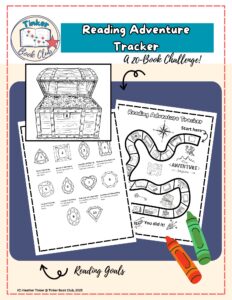
If you’d like to help motivate your kids to reach their reading goals, you can grab my free printable reading tracker.
It’s simple, kid-friendly, and perfect for any reading level.👇
A Gentle Reminder for Winter Homeschooling
If writing feels heavy right now, it’s okay to set it down.
Learning doesn’t disappear when pencils do.
Through stories, conversation, and imagination, your child is still thinking deeply, growing in language, and building understanding, one narration at a time.
An Invitation
If your homeschool feels a little heavy right now, you don’t have to figure it all out on your own.
Each month, I send a warm, encouraging Tinker Book Club newsletter with simple ideas for bringing classic stories, meaningful reading, and gentle structure to your homeschool. I’m all about realistic expectations and reducing overwhelm.
It’s a quiet place for thoughtful encouragement, seasonal rhythm shifts, and practical ideas you can actually use.
If that sounds supportive in this season, I’d love to have you join us. 👇

If you enjoyed this post, you might also like 👉 If Your Homeschool Reading Routine Keeps Falling Apart, Try This Instead.
Thanks for listening, friends!