


Table of Contents
ToggleExternal Motivation Isn't "Cheating"
If you’ve every wondered how to encourage reluctant readers without pressure or power struggles, you’re not alone. Many kids go through seasons when reading feels overwhelming, uninteresting, or just plain hard. And while we all hope our children will one day read for the intrinsic joy of it, sometimes they need a gentle nudge. Even adults sign up for reading challenges or track their progress in a planner.
The good news? Reluctant readers aren’t “behind” or “unmotivated.” They usually just need the right kind of support, the right book, or the right reading environment. These simple, relationship-centered strategies can help you encourage reluctant readers in a way that feels positive, playful, and pressure-free.
1. Offer Choices Kids Can't Resist
One of the easiest ways to encourage reluctant readers is to expand the types of books available to them. Kids are far more willing to read when they can choose what interests them.
Try offering:
- High-interest chapter books
- Short story collections
- Graphic novels or comic-style books
- Fairy tales (short, predictable, and confidence-building!)
- Books connected to their hobbies or special interests
When kids feel ownership over their reading choices, motivation naturally increases.
2. Read Aloud to Encourage Reluctant Readers of All Ages
Reading aloud is a powerful tool. Especially if you’re trying to encourage reluctant readers who struggle with decoding or stamina. Listening allows them to enjoy the story without the pressure of reading every work themselves.
Even older kids benefit from:
- Family read-aloud time
- Audiobooks
- Partner reading
- “You read one page, I’ll read the next”
Shared reading builds connection and fills your child’s “story-cup,” which often spills over into more independent interest later.
3. Use Storytelling and Retelling to Build Confidence
Before some kids are ready to read independently, they need to feel familiar with the story. Storytelling activities are a wonderful way to encourage reluctant readers because they reduce the fear of the unknown.
Try:
- Story cards or character cards
- Retelling puppets
- Dramatic play
- Acting out Scenes
- Drawing story sequences
When kids already understand the plot and characters, reading the book feels far less intimidating. This is one reason fairy tales work beautifully. They’re short, structured, and easy to retell.
4. Use Reading Trackers to Motivate Reluctant Readers
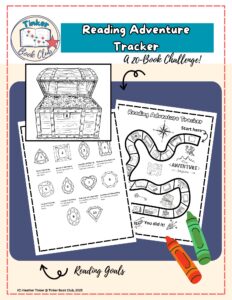
Visual tools can be surprisingly effective when trying to encourage reluctant readers. Reading trackers turn progress into something kids can see, making reading feel a little more like a game.
Trackers help kids:
- Celebrate small wins
- Build momentum
- Watch their progress grow
- Feel proud of their effort
- Develop a reading habit over time
If you’d like to try this approach, grab my free printable reading tracker.
It’s simple, kid-friendly, and perfect for any reading level.
5. Make Reading a Part of Daily Life
You can also encourage reluctant readers simply by creating an environment where books feel natural and inviting.
Try integrating reading by:
- Keeping books in cozy baskets and nooks
- Having a daily independent “rest and read” time
- Bringing books outside or in the car
- Letting kids read in fun places (forts, hammocks, bean bags)
- Modeling reading yourself
When reading feels like a normal part of life (not a school task) kids approach it with more ease.
Encouraging Reluctant Readers Takes Time (and That's Okay)
Above all, remember that learning to love reading is a gradual process. Tools like trackers, read-aloud sessions, and storytelling activities aren’t shortcuts. They’re stepping stones. Each small success builds the confidence that helps reluctant readers slowly become eager ones.
With patience, connection, and gentle encouragement, your child can grow into a reader who not only meets goals but also develops a lifelong love of stories.
If you enjoyed this post, you might also like 👉 10 Creative Ways to Encourage Kids to Read New Books.
Want to bring these stories to life in your home or classroom? Join the Tinker Book Club mailing list for free guides, discussion ideas, and book club printables.

Thanks for listening, friends!