

Social emotional learning through books doesn’t need a special program, scripted lessons, or carefully labeled “SEL titles.”
In fact, some of the most meaningful social and emotional learning your children will experience will come quietly. It can come through well-loved classic stories read slowly and discussed thoughtfully.
For bookish homeschool families and children’s book club leaders, classic literature offers something modern curricula often miss: room for complexity. Real character. Real mistakes. Real growth.
And when we approach social emotional learning through books with care, restraint, and trust in the story itself, something remarkable happens: children begin to develop empathy, perspective, and emotional understanding, naturally.
Table of Contents
ToggleA Gentle Warning: Don't Turn Stories Into Tools
Before we talk about what to do, it’s important to name what often goes wrong.
When parents or educators approach a book thinking, “I’m going to use this book to teach empathy/kindness/conflict resolution…” the story can start to feel like a means to an end rather than a work of art.
Books are not worksheets.
They are multifaceted expressions of human experience.
When we become overly utilitarian with literature, children can sense it. Discussions become stiff Responses feel rehearsed. The joy of reading quietly drains away.
Social emotional learning through books works best when:
- we resist forcing connections
- we avoid labeling characters as “good examples” or “bad examples”
- we trust that meaning will emerge in its own time
Another Caveat: Avoid Becoming Overly Moralistic
Classic books often present morally complex situations. That’s a gift. But only if we allow it to remain complex.
If every discussion ends with a tidy takeaway:
- “So the lesson is…”
- “What should the character have done instead?”
we risk teaching children that stories exist to deliver conclusions rather than invite reflection.
Social emotional learning through books is not about extracting morals.
It’s about dwelling with questions.
So What Can You Do? (The Gentle Positives)
Here’s where social emotional learning through books truly shines.
1. Read Slowly and Revisit Often
Rereading is one of the most underrated tools for social emotional learning through books.
When children return to a story:
- they notice different emotional cues
- their sympathies shift
- their understanding deepens as they mature
This is especially true with classic books, which are designed to grow with the reader.
2. Ask Open, Human Questions
Instead of aiming for “the right answer,” invite conversation.
Try questions like:
- Why do you think that character reacted that way?
- Have you ever felt something similar?
- What do you think made the situation so hard?
These kinds of questions encourage perspective-taking without pressure.
3. Let Characters Be Imperfect
One of the greatest gifts of social emotional learning through books is exposure to imperfect people.
Resist the urge to correct character or rewrite their choices. Let mistakes stand.
Children learn empathy not by watching perfect behavior, but by seeing:
- how misunderstandings happen
- how conflict affects relationships
- how growth often comes slowly
4. Allow Silence
Not every emotional insight needs to be spoken aloud.
Sometimes social emotional learning through books happens:
- later that day
- weeks afterward
- in how a child treats a sibling
- in a quiet comment long after the book is closed
Trust the process.
5. Read Together, Not at Children
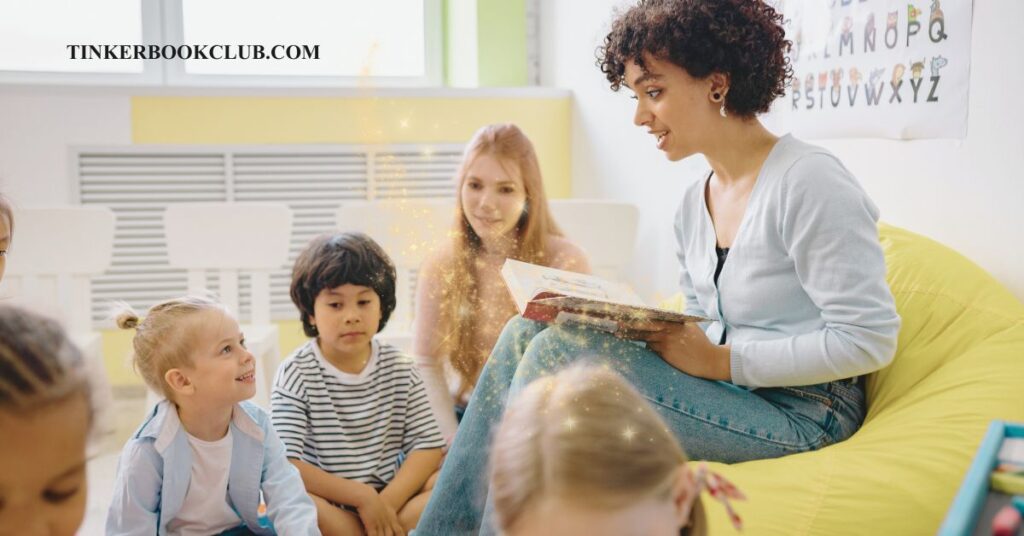
Especially in a homeschool or book club setting, shared reading matters.
When adults read with children (not hovering, correcting, or steering) stories become safe places to explore emotions together.
This shared experience builds:
- connection
- trust
- emotional vocabulary
without a single worksheet in sight.
Social Emotional Learning Through Books Is a Long Game
The beauty of social emotional learning through books is that it doesn’t rush.
you may not see immediate outcomes. There may not be an obvious “lesson learned” that day.
But over time, stories quietly shape how children:
- interpret others’ actions
- understand their own emotions
- navigate relationships with nuance and care
Classic books, read with patience and respect, do this work better than almost anything else.
A Final Thought for Bookish Homeschoolers
You don’t need to justify reading great books by what they “teach.”
Stories don’t need permission to matter.
When we honor literature as literature (rich, layered, and deeply human) social emotional learning follows naturally. Simply because we made space for it.
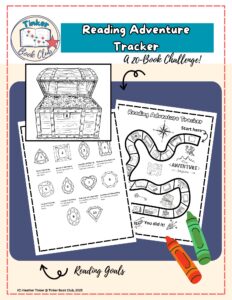
If you’d like to help motivate your kids to reach their reading goals, you can grab my free printable reading tracker.
It’s simple, kid-friendly, and perfect for any reading level.👇
An Invitation
If this way of reading and learning resonates with you, I’d love to stay connected.
The Tinker Book Club newsletter is a quiet place for bookish homeschoolers and children’s book club leaders who want to slow down, read deeply, and let great stories do their work. You’ll receive thoughtful essays, practical ideas, and occasional resources designed to support learning with classic books (without pressure or overwhelm!).
You’re always welcome to join us join us. 👇

If you enjoyed this post, you might also like 👉 You Don’t Need a New Curriculum–You Need a Good Book.
Thanks for listening, friends!